
One of the most important fundamental software in computing is the Operating system. An operating system, or OS, manages and creates harmony between all software and hardware related to the computer device.
Operating systems control or monitor the execution of all other programs in the computer. Operating systems also provide security by keeping the applications safe through the authorisation process.
Types of Operating Systems:
Depending on their structure and purposes, such as multi-tasking, real-time, and distribution systems, Operating systems can be classified into several categories.
Open Source Operating System:
An open source operating system is an operating system in which the source code is visible and editable by anyone, anywhere, anytime.
Types of Open Source Operating Systems:
Linux-based open source OS:
Linux is an open source operating system which is based on the Linux kernel. The Unix-like operating system was first released on September 17, 1991, by Linus Torvalds.
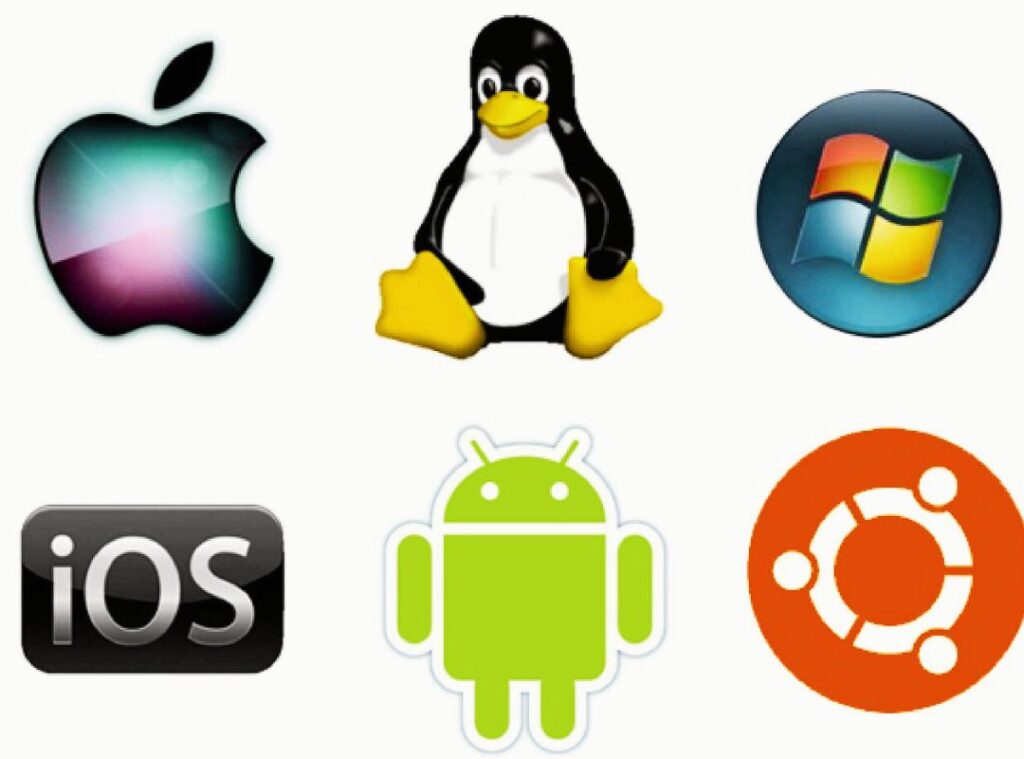
Some of the important Linux-based open source OS are: Ubuntu, Linux Mint, Red Hat Enterprise Linux, Gentoo, Debian, Manjaro, Antergos, Solus, Fedora, Kali Linux, CentOS, Arch Linux, Elementary OS, etc.
Non-Linux-based open source OS:
However, Linux-based open source OS are popular among users; some Unix-based operating systems are also available in the market that provide similar or even better features.
These operating systems are primarily based on BSD and ensure built-in networking with file abstraction. Some popular examples are: Oracle Solaris, Darwin, Solaris, AIX, NetBSD, PC-BSD, and OpenBSD.
Android:
Android is a new-gen and modified mobile operating system based on Linux and other open source software, designed primarily for touch screen smartphones and tablets.
Some of the popular Android mobile OS are: Tiramisu, Snow Cone, Quince Tart, Red Velvet Cake, Pie, Oreo, Nougat, Marshmallow, Lollipop, Sandwich, Kitkat, Jellybean, Ice Cream, Honeycomb, Gingerbread, Froyo, Eclair, Doughnut, etc.
Chromium OS:
It is an open-source project that aims to provide a fast, simple, and more secure computing experience for those who spend lots of time on the Internet.
Closed-Source Operating System:
Simple Batch Operating System:
In a simple batch operating system, users don’t interact with the computer directly. Each user prepares their job on an offline device, such as a punch card and submits it to the computer—for example, payroll systems, Bank Statements, etc.
Multiprogramming Batch OS:
Multiprogramming or multitasking systems allow the system to execute multiple processes by monitoring their status and switching between the processes.
The examples of multiprogramming batch OS are as follows: downloading applications, transferring data, MS Excel, Gmail, etc. Operating systems like Windows, UNIX, Xenix, MP/M, etc, execute multitasking ability perfectly.
Time-Sharing OS:
Time-sharing operating systems generally use CPU (Central Processing Unit) scheduling and multi-programming to provide each user with a tiny portion of a shared computer device at once. E.g.: Multics, UNIX, Linux, Windows NT Server, etc.
Multiprocessing OS:
A multiprocessing operating system allows devices to run multiple programs simultaneously, and most modern network operating systems support multiprocessing. E.g.: Solaris, Windows NT, 2000, XP, and Unix.
Real-Time Operating System:
A real-time operating system or RTOS is a special-purpose OS that has strict time constraints for any job to be performed. E.g.: Airline traffic control system, Network Multimedia system, Command Control System, IRCTC, etc.
Distributed Operating System:
Distributed operating systems are a collection of independent software, networked, communicating, and physically separated computational nodes. E.g.: LOCUS, MICROS, IRIX, DYNIX, AIX, Solaris, MACH, etc.
Also Read: Computer: Features Of Operating System (OS) For SSC, Bank, & Other Examinations

Hi, I am Lakshya Sen.. I have been teaching for SSC, Railways, and Other Examinations For 5+ years. To date, more than 1000 students have fulfilled their dreams with the help of my guidance.