
An output device is a type of computer hardware that processes and converts information and data into a form that is human-understandable or into a physical, machine-readable form for use with other non-computerized equipment.
The output can be text, audio, video, or graphics. Some of the output devices are: monitors, printers, speakers, and projectors.
The main differences between an input and an output device are that an input device sends data and information to the computer, and an output device processes the data and serves the result to the audience in a human-perceptible form.
Important Output Devices:
Monitor:
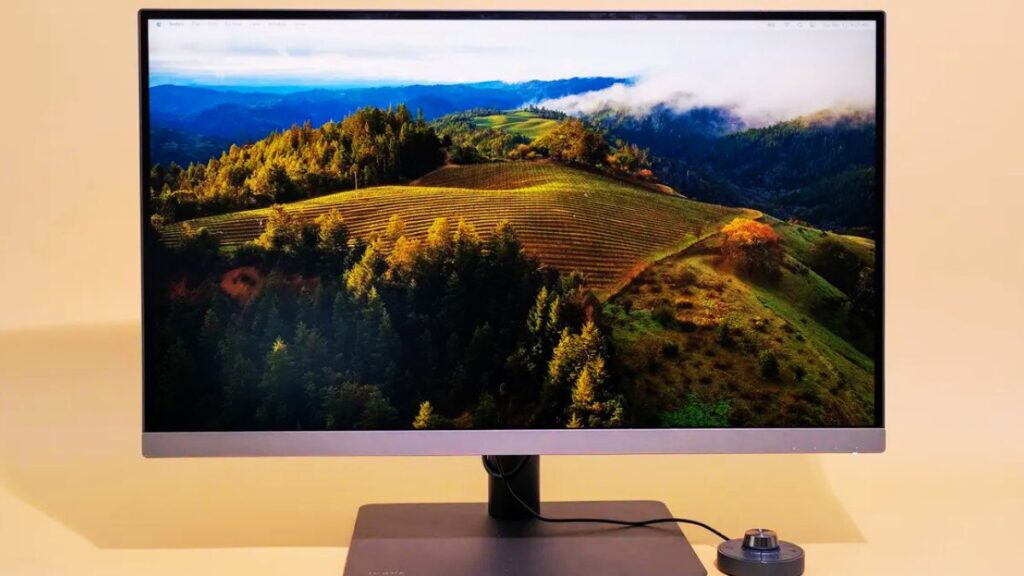
A computer monitor is a popular output device that is mainly used to display information in visual or text forms. Generally, a monitor consists of a visual display, circuits, casing, and power supply instruments.
Monitors are also referred to as a VDT (Video Display Terminal) and VDU (Video Display Unit). Monitors exhibit different types of visual displays, such as videos, images, PPTs, and texts.
There are different types of monitors available in the market:
LCD:
Liquid Crystal Displays or LCDs are flat-panel displays or other electronically modulated optical devices that work with the help of light-modulating properties of liquid crystals and polarisers.
LED:
A light-emitting diode or LED display is a type of flat-panel display, like LCD, that uses an array of light-emitting diodes as pixels for higher quality video resolutions.
OLED:
Organic light-emitting diodes or OLEDs are flat computer displays which is made up of pixels made up of OLEDs instead of liquid crystal-filled units.
Unlike LED and LCD displays, OLED displays work without a backlight as they emit visible light by themselves.
Plasma Monitors:
Plasma monitors use a special type of plasma display panel (PDP), a type of flat panel display. The panel consists of small cells containing plasma and ionised gases that respond to the electric field.
CRT Monitors:
A cathode ray tube (CRT) is a vacuum tube that contains multiple electron guns that emit electron beams. The beams are manipulated to display pictures on a phosphorescent screen.
CRT displays are analog by nature. They completely rely on electron beams and phosphor dots to create an image on the screen.
Printer:
A printer is an output device that is used to generate hard copies of any document or image. A printer receives texts, images, and graphical output from a computer and transfers them onto a paper sheet via printing.
A printer is a peripheral device that creates a permanent representation of text, images, and graphics on paper.
There are generally two broad categories of printers: Impact and Non-impact printers.
Impact Printers:
Impact printers work by directly contacting an ink ribbon with a paper sheet. These printers are generally loud and still functional today because of their multipart forms. There are three types of impact printers:
Dot Matrix Printer:
A dot matrix printer is a type of impact printer that prints using a fixed number of wires or pins. The pins of wires are aligned in the printer in multiple vertical columns.
Daisy Wheel Printer:
Such printers produce letter-quality type. A daisy wheel printer works on the same principle as a ballhead typewriter.
Drum Printer:
This is a line printer that uses rotating drums with raised characters.
Non-impact Printer:
It is a type of printer that does not hit or impact a ribbon to print. Advanced technologies like laser, xerographic, electrostatic, chemical, and inkjet are used in non-impact printers.
Non-impact printers create less sound and require less maintenance compared to impact printers. However, non-impact printers are costlier than impact printers, but the post-purchasing cost of non-impact printers is much less than the other.
There are five types of non-impact printers:
Laser Printer:
Such printers use lasers and an electrical charge model instead of traditional printing of ink directly into paper.
Inkjet Printer:
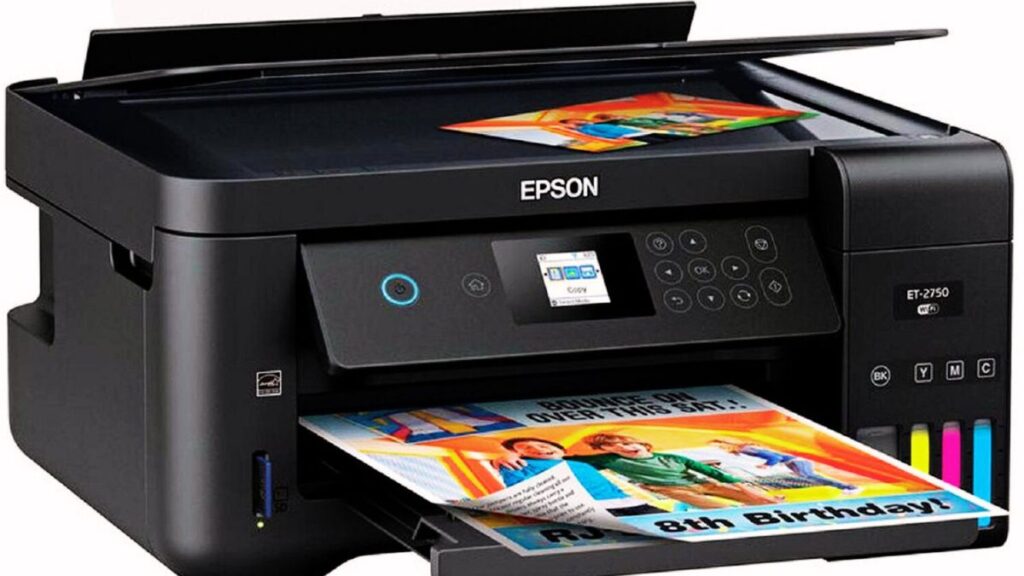
Inkjet printers are those computer peripherals that produce hard copies of texts and images by spraying droplets of ink onto paper.
LED Printer:
It is similar to laser printers but uses a drum, toner, and a fuser system to apply black or colored toner onto paper.
3D Printer:
Three-dimensional (3D) printers are advanced devices used to build 3D structures, such as buildings, temples, post offices, and bridges. 3D printers can create a physical object from a digital design.
Thermal Printer:
Such printers use a heated thermal printhead pressed against a medium to produce black text or images.
Plotter:
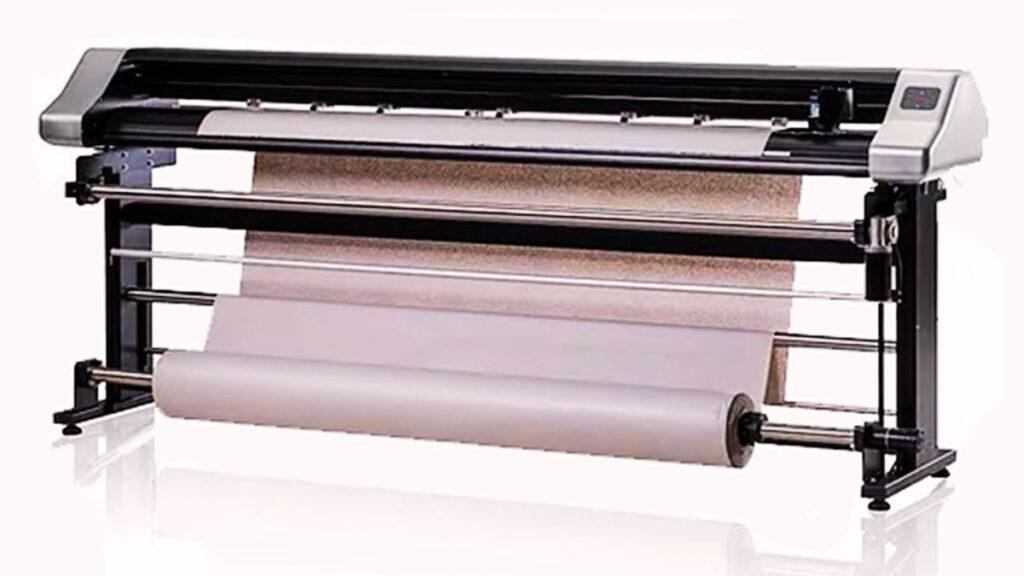
A plotter is a type of printer that receives and interprets commands from a computer to make line drawings on paper with one or multiple pens. It is used to create vector graphics drawings.
Headphones:
Headphones are transducers that produce sounds after receiving audio signals from the device. Headphones can be connected to computers, laptops, smartphones, tablets, etc.
Projectors:
Projectors are output devices that spread a ray of light with the help of lenses for projecting slides or film onto a screen.
Speakers:
Similar to headphones, speakers are used to generate sounds from the incoming audio signals. Speakers are loud, and multiple users can listen to the speakers. Like headphones, speakers can be connected to a laptop, computer, smartphone, or tablet.
Visual Display Unit (VDU):
Visual Display Units are devices that present information, events, or situations in various settings, including homes, public places, and workplaces. A VDU is a screen that displays information received from a computer.
Global Positioning System (GPS):
GPS is a space-based satellite navigation system that helps calculate the accurate physical location of a device.
Braille Reader:
A braille reader or display is an electronic device that allows a blind person to read or understand the information displayed on a computer screen.
Also Read: Computer: Input Devices With PYQs For SSC, Bank, & Other Competitive Examinations
Also Read: Computer: Features Of Operating System (OS) For SSC, Bank, & Other Examinations

Hi, I am Lakshya Sen.. I have been teaching for SSC, Railways, and Other Examinations For 5+ years. To date, more than 1000 students have fulfilled their dreams with the help of my guidance.