
India is a vast, biodiverse country ranging from Jammu to Kanyakumari and Gujarat to Arunachal Pradesh. Due to the vast expansion, India has a rich heritage of flora and fauna.
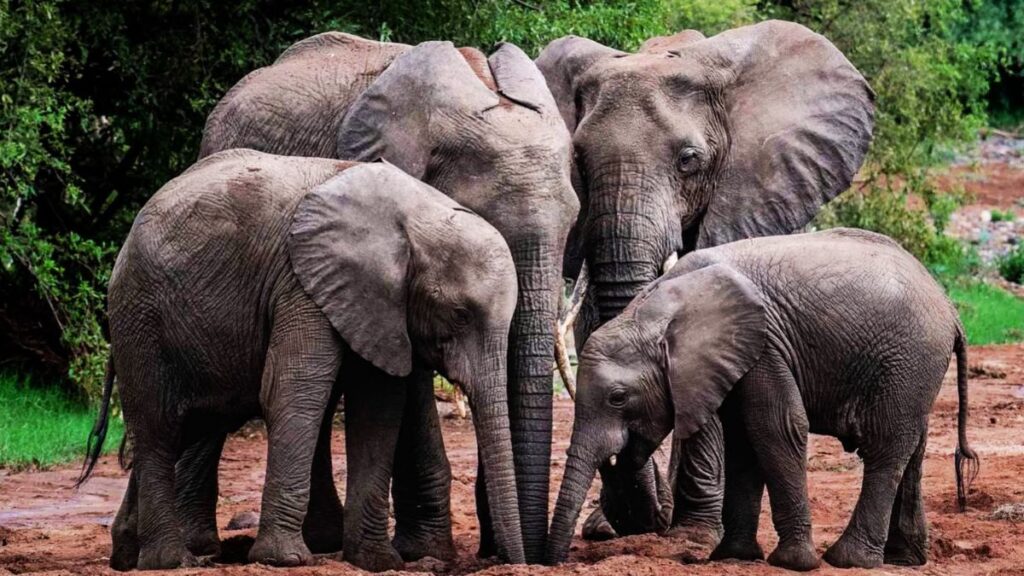
India has different landscapes that influence the nature of the vegetation and the animals that live in that area. From desert to sea, forest to snow mountain, everything demands a specific type of biodiversity for each region.
Indian Legislation and Rules Regarding The Protection Of Biodiversity:
India is one of the 17 identified megadiverse countries around the world. India only possesses 2.4% of the global area, but contributed 8% to the known Global Biological Diversity.
Almost 10% of the recorded population of flora and fauna is already threatened or on the verge of extinction. The Government of India has already announced many rules and projects to safeguard biodiversity.
Project Bramha:
It is an open-source, Web 2.0-based initiative for the conservation of Indian biodiversity. It aims to document the ideas on education, environment, and society related to India. The software can provide information anytime, anywhere.
Indian Forest Act, 1927:
The act defines the procedure to be followed for declaring an area to be a reserved forest, a protected forest, and a village forest.
This act also gives clear ideas about what forest offences are, which acts are prohibited inside a reserve forest, and what the penalties are for violation of the provisions of the act.
The Prevention of Cruelty to Animals Act, 1960:
The law was enacted to prevent the infliction of unnecessary pain or suffering on animals and to amend the laws related to the prevention of cruelty to animals.
According to the provisions of the law, the Animal Welfare Board of India was created.
The Wildlife Protection Act, 1972:
This is a package of acts enacted in 1972 by the Government of India. Before enacting this act, India had only 5 designated National parks.
Among other reforms, the act established schedules of protected plant and animal species. Hunting or poaching these plants or animals is strictly forbidden.
This act was amended in 2003, and the punishment and penalty for offences under the act have been made more stringent.
The Wildlife (Protection) Amendment Act, 2006, provides authority to create the National Tiger Conservation Authority and the tiger and other endangered species Crime Control Bureau.
National Wildlife Action Plan, 1983:
The first National Wildlife Action Plan (NWAP) was adopted in 1983 for the first time. The decision was taken in the XV meeting of the Indian Board for Wildlife held in 1982.
This action plan outlined the strategies and action points for wildlife conservation and protection, which are still relevant to this day.
Biodiversity Act, 2002:
India’s Biological Diversity Act (Biodiversity Act), 2002, is designed to convert the spirit of the Convention on Biological Diversity into a nationwide instrument.
This act prohibits the transfer of Indian genetic material outside the country without the specific and prior approval of the Indian Government.
Anyone who wants to take a patent or other Intellectual Property Right (IPR) over such material must seek advance permission from the Indian Government or related authorities.
The Biodiversity Act empowers the setup bodies at three different levels (national, state, and local) to carry out those functions.
Additionally, the act also influences the citizens to approach courts if they detect a violation.
National Green Tribunal Act, 2010:
The National Green Tribunal was established in 2010 under the National Green Tribunal Act, 2010, for an effective and quick disposal of cases relating to environmental protection and conservation of forests and other natural resources.
It also includes the enforcement of any legal right relating to the environment and giving relief and compensation for damages to persons and property, and for matters related to it.
Wetlands (Conservation and Management) Rules, 2010:
The act has been drafted to ensure better conservation and management to prevent further degradation of existing wetlands in India.
Also Read: Important Wildlife Conservation Projects In India For UPSC, SSC, Railways, & Other Examinations

Hi, I am Lakshya Sen.. I have been teaching for SSC, Railways, and Other Examinations For 5+ years. To date, more than 1000 students have fulfilled their dreams with the help of my guidance.